

Saudi Arabia is currently experiencing an unprecedented boom in food retail and consumer demand, heavily backed by Vision 2030 economic diversification initiatives. In particular, the Kingdom’s commercial market for natural honey and functional bee products is projected to reach $84.7 million by 2030. However, expanding into this lucrative Gulf market requires passing strict regulatory gatekeepers. Achieving total SFDA food compliance Saudi Arabia standards is the single most vital step for securing retail shelf space, building long-term consumer trust, and scaling your brand smoothly across the Middle East.
Navigating international trade laws and foreign food safety rules often feels overwhelming for brand owners, importers, and procurement directors. Yet, mastering SFDA food compliance Saudi Arabia requirements does not have to be an intimidating chore. When you understand the core legal expectations—ranging from online product registration to precise packaging directives—you transform potential regulatory obstacles into a distinct competitive advantage. In this actionable guide, we break down seven essential strategies to streamline market entry, protect your financial investments, and expand your business cleanly.
1. Why SFDA Food Compliance Saudi Arabia Unlocks Market Access 🔓
The Saudi Food and Drug Authority (SFDA) serves as the primary regulatory body safeguarding public health and food quality across the Kingdom. Failing to meet official standards leads to severe consequences, including rejected port shipments, expensive demurrage fees, product destruction, and damaged commercial credibility. Conversely, establishing flawless SFDA food compliance Saudi Arabia documentation ensures rapid customs clearance. It demonstrates to top-tier supermarket chains, hotel groups, and online retailers that your food products are safe, authentic, and ready for commercial sale.
Furthermore, Saudi Arabia aligns its import guidelines closely with neighboring Gulf Cooperation Council (GCC) member states. Securing compliance in Riyadh creates an easier operational springboard into adjacent markets such as the UAE, Kuwait, Bahrain, and Qatar. By building a compliant supply chain from day one, you establish a resilient foundation for long-term regional brand expansion.
2. Digital Portals & SFDA Food Compliance Saudi Arabia Setup 💻
Every commercial food item shipped into the Kingdom must be declared digitally before arrival. The mandatory official portal for managing these records is the SFDA main platform. Importers and brand owners must complete their Ghad portal registration for food imports long before dispatching physical inventory to Saudi ports. This centralized digital platform tracks technical product specifications, ingredient origin details, laboratory safety reports, and manufacturing facility accreditations.
Maintaining organized and accurate records on the Ghad portal eliminates unnecessary customs hold-ups. Each honey or food variant requires clear verification showing purity, heavy metal testing, and batch origin. Preparing these digital credentials well in advance ensures that your container shipments move directly from port terminals to warehouse shelves without costly delays.
3. Packaging Mandates & SFDA Food Compliance Saudi Arabia Rules 🏷️
Product packaging serves as both your brand’s silent salesman and the primary focus of border inspection officers. To maintain strict SFDA food compliance Saudi Arabia standards, physical packaging labels must comply fully with national labeling standards. For example, brands importing natural honey must strictly satisfy all KSA food labeling standards for honey to avoid immediate border rejection.
Compulsory labeling requirements include clear bilingual text in both Arabic and English, metric net weight statements, exact production and expiration dates, batch lot numbers, and local Saudi importer information. Additionally, any organic claims or health benefits must be supported by accredited certification documents. Displaying unverified health claims risks product confiscation, making pre-market label audits an absolute necessity.
4. How OEM Support Guarantees SFDA Food Compliance Saudi Arabia 🤝
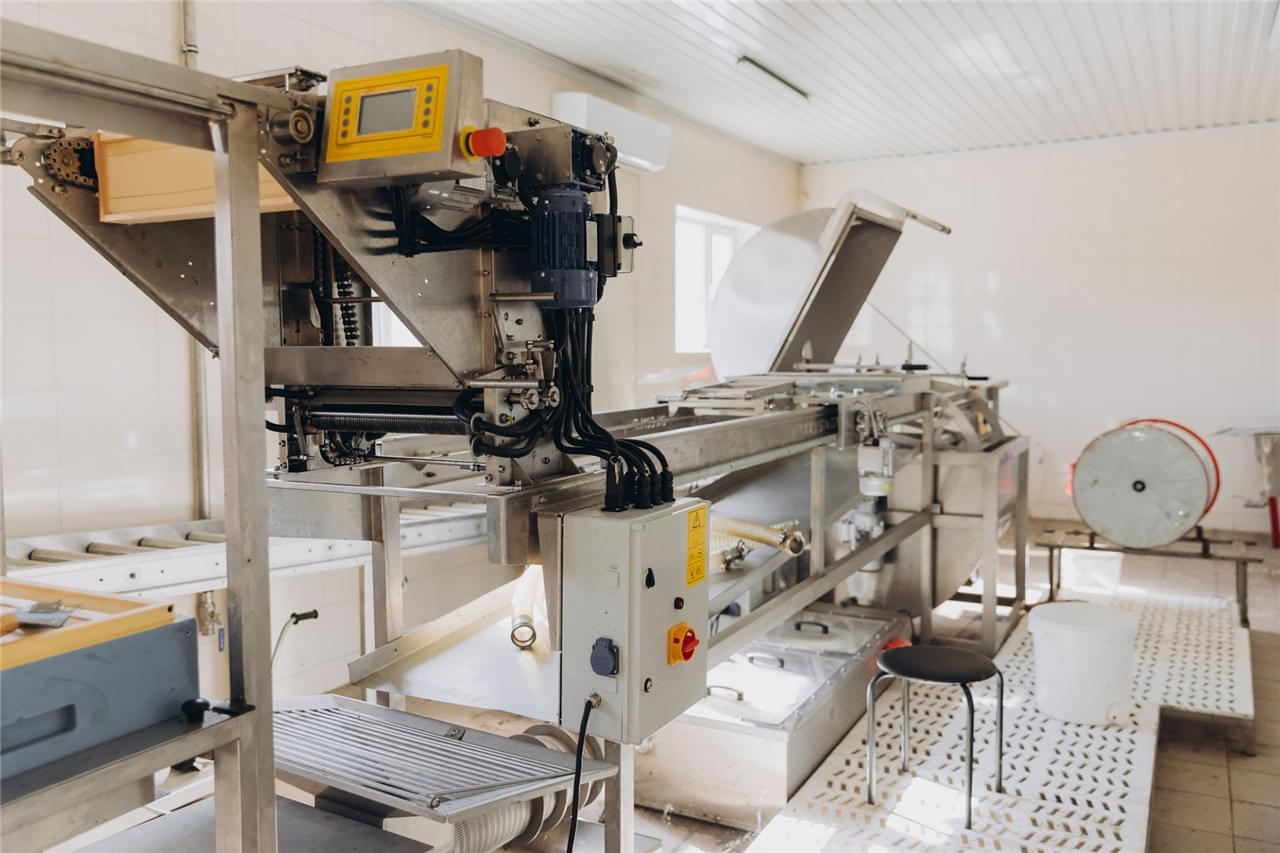
For growing food brands and retail entrepreneurs, building fully compliant production facilities independently requires massive capital investment and months of technical setup. Partnering with an experienced private label manufacturer offers a far more efficient solution. An established partner operating with recognized HACCP certification for private label OEM manufacturing already maintains compliant production lines, sanitary processing controls, and certified testing standards.
Working alongside a specialized OEM partner eliminates expensive trial-and-error. Experienced manufacturers assist with bilingual label design, technical documentation prep, and batch certificate issuance. This professional support safeguards your capital, speeds up turnaround times to 15 days, and guarantees that every batch meets complete SFDA food compliance Saudi Arabia guidelines.
In addition, sourcing premium honey varieties—such as Sidr, Acacia, or Nigella sativa (Black Seed)—demands strict purity testing to prevent adulteration flags at customs. A qualified OEM conducts rigorous laboratory analyses to verify that your formulations meet micro-biological and chemical safety standards every single time. To explore our customizable formulations and packaging designs, visit our Private Label Honey Solutions page.
Scaling a profitable food brand in Saudi Arabia is a highly rewarding opportunity when executed with sound compliance protocols. By adhering to local labeling mandates, completing digital portal registrations, and collaborating with pre-vetted OEM experts, you eliminate supply chain friction and maximize profits. Ready to launch your compliant honey line? Contact our expert team today to discuss your custom manufacturing project!



 English
  Arabic