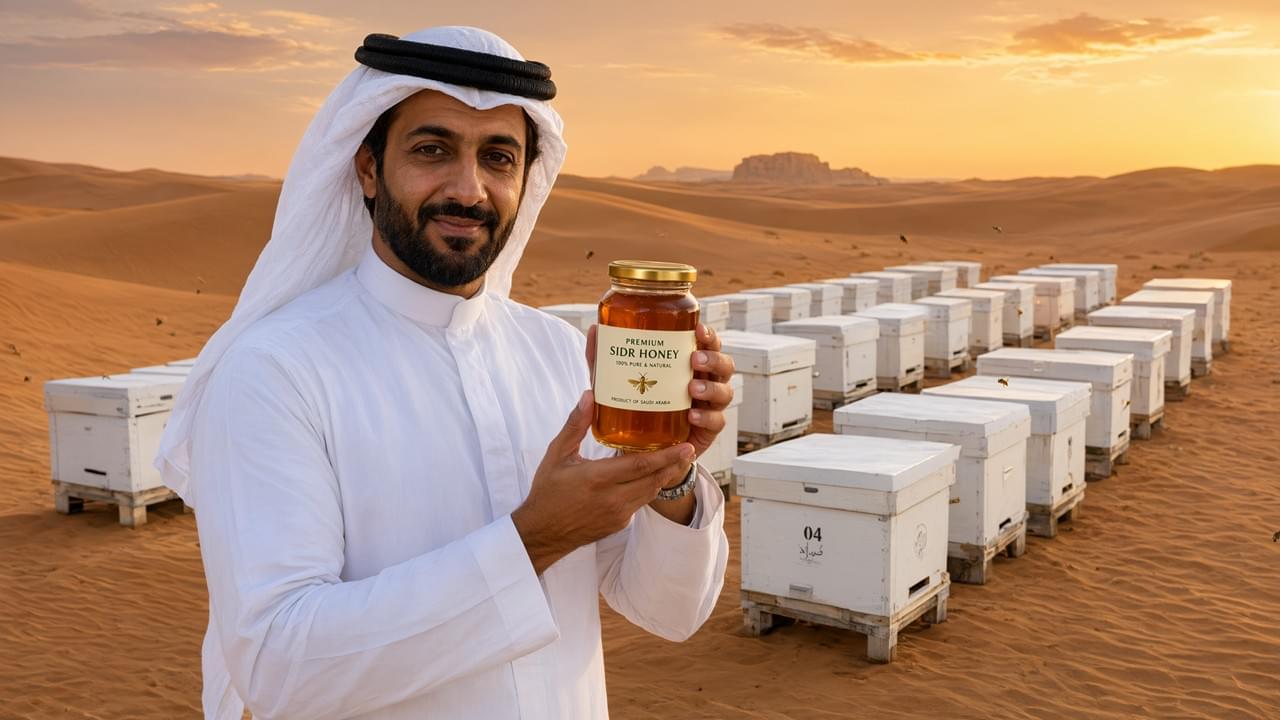
For generations, Saudi families have treasured Sidr and Acacia honey for their distinct flavors and cultural significance. But something remarkable is happening on the international stage. Buyers are paying attention—not just for another sweetener, but for authenticity, clean labels, and a story they can trust. Saudi honey delivers on all these fronts.
Let’s explore what’s driving this global shift and why it matters for your business.
🌍 The Quiet Rise of a Premium Category
Walk through any high-end food exhibition in London, Dubai, or Singapore, and you’ll notice a pattern. Buyers are actively seeking honey that goes beyond standard supermarket varieties. They want single-origin products with verifiable supply chains—and Saudi producers have a natural advantage here.
The Kingdom’s honey market is already expanding steadily at home. Industry forecasts suggest the total market could reach $224.73 million by 2033, growing at a 5.27% CAGR from 2024’s $141.6 million base. While conventional honey continues to dominate domestic shelves, organic honey is emerging as the fastest-growing segment—and the most profitable. This is precisely the profile that commands premium pricing in international markets.
Key Statistic: Organic Saudi honey fetches 15-30% more (SAR 50-100) than conventionally produced local honey.
📈 Why Global Buyers Are Looking East
The shift isn’t accidental. Western and Asian consumers have become skeptical of mass-produced foods with vague origins. They scrutinize labels. They ask hard questions. Where did this come from? Who produced it? Was it ethically sourced?
Saudi honey answers these questions with remarkable clarity. The Kingdom’s beekeeping tradition stretches back generations, with many operations still using methods adapted to the region’s unique desert and mountain landscapes. Modern producers have built on this foundation by implementing rigorous organic certification processes.
Certified organic honey means:
- ✅ Chemical-free production
- ✅ Sustainable foraging practices
- ✅ Complete traceability from hive to shelf
For export-oriented businesses, this creates a compelling narrative. You’re not just selling honey—you’re selling a product that connects ancient Arabian traditions with modern sustainability standards. That’s a powerful combination in markets where consumers increasingly associate premium quality with traceability.
📋 The Certification Bridge
Here’s the practical reality: you can’t export premium food products without the right certifications. Global retailers and distributors demand proof of safety and quality. They want to see HACCP implementation. They need assurance that your products meet international food safety benchmarks.
Saudi producers who have invested in SFDA compliance and HACCP certification aren’t just satisfying domestic requirements—they’re building export-ready foundations. The Saudi Food and Drug Authority has established clear technical regulations for honey products. As the SFDA explicitly states, adding food ingredients to honey is prohibited, ensuring product purity remains paramount . The Authority’s standards align closely with international norms, which means local certification often translates smoothly into global market acceptance.
Key Labeling Requirements:
- Product must be clearly labeled as “honey”
- Country of origin must be stated
- No food additives permitted
- Batch numbering and storage conditions must be displayed
When your production facility already maintains hazard analysis protocols and critical control point monitoring, you’re essentially speaking the same language as European health authorities or Japanese import inspectors.
Important Note: From December 2025, all honey exports to Saudi Arabia must carry the warning: “Not suitable for infants below 12 months” .
🌱 Sustainability as a Market Entry Tool
Let’s be honest about what drives purchasing decisions today. It isn’t just taste anymore. Buyers want to know their supply chain isn’t harming the environment. Saudi Arabia’s push toward sustainable beekeeping—protecting native flora, avoiding overharvesting, and maintaining ethical hive management—resonates powerfully with this global shift.
The Saudi Green Initiative has accelerated this transformation. Government support for agricultural modernization hasn’t just boosted local production; it’s created infrastructure and standards that make international trade more feasible. When you can demonstrate that your honey comes from well-managed apiaries that prioritize bee welfare and environmental stewardship, you gain a storytelling edge that commodity exporters simply can’t match.
Real-world impact: Over 15,000 beekeepers in the Kingdom now use modern hives, and organic certification criteria include pesticide-free pastures, natural nutrition without antibiotics, and complete traceability.
🤝 Daily Honey OEM: Your Export Partner
For businesses looking to capitalize on this momentum, going it alone isn’t always the smartest path. Exporting food products involves navigating complex regulatory landscapes, managing consistent quality at scale, and building reliable logistics chains. This is where specialized OEM partnerships become invaluable.
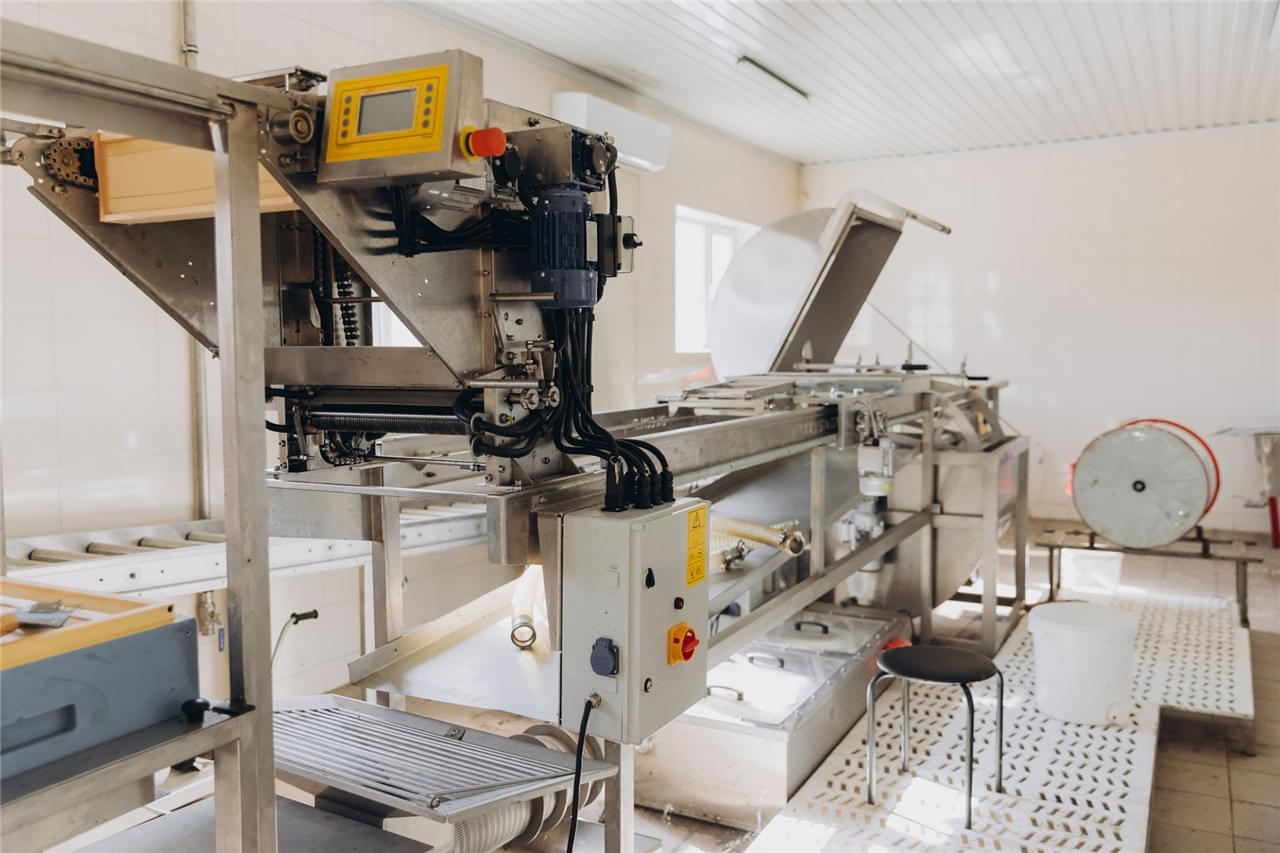
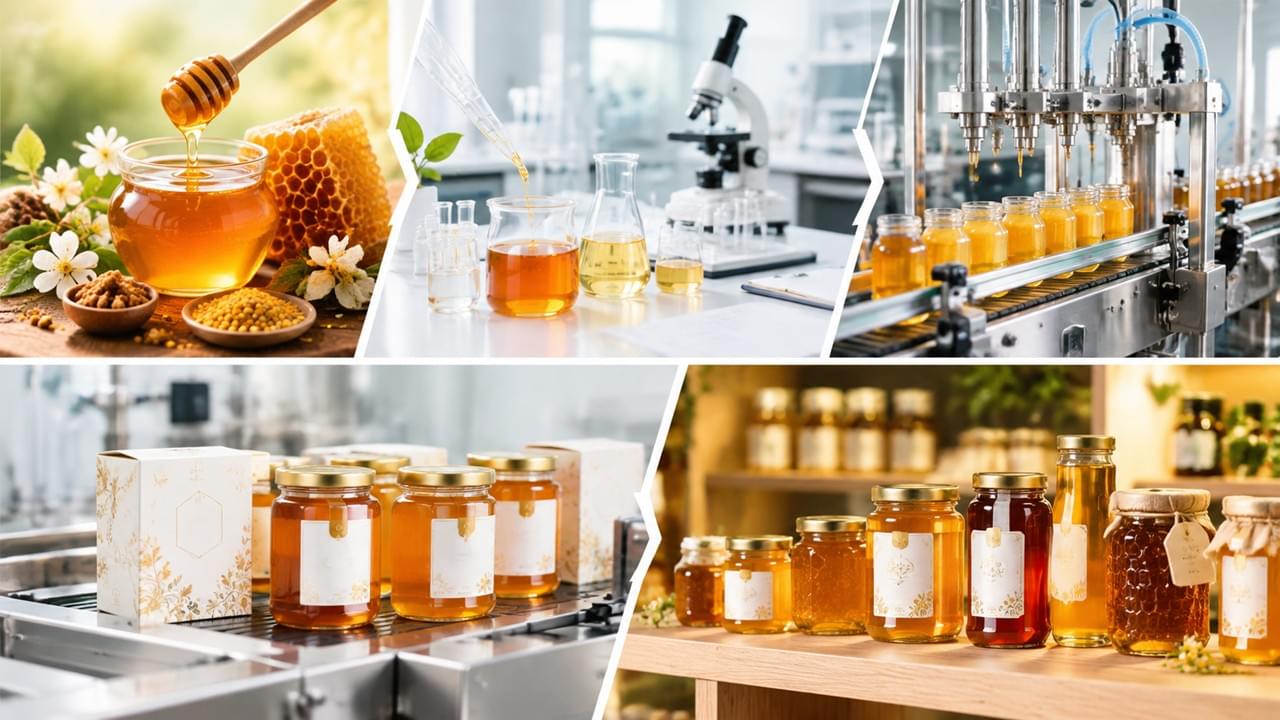
Daily Honey OEM operates at the intersection of traditional Saudi honey excellence and modern manufacturing standards. As a leading Saudi-based manufacturer, the company collaborates with local beekeepers who supply Sidr, Acacia, and other floral varieties unique to the region . Their facilities maintain the certifications and quality controls that international markets demand:
- ✅ SFDA compliance and HACCP certification
- ✅ 15-day production turnaround
- ✅ Full traceability from hive to shelf
- ✅ Custom packaging and formulation capabilities
The company supports both small batches and enterprise-scale orders without compromising quality. For brands seeking a private label honey solution, Daily Honey OEM offers a high-speed, full-spectrum OEM solution from product formulation to final delivery .
🛤️ The Road Ahead
The opportunity is real, but timing matters. The global honey market is crowded, yet the premium segment for authentic, certified, traceable products remains undersupplied. Saudi Arabia has the raw materials, the cultural heritage, and increasingly, the regulatory framework to claim a significant share of this high-value niche.
Current export numbers already show promise:
According to World Bank trade data, Saudi Arabia exported $19.04 million worth of natural honey in 2024, with key markets including the United Arab Emirates ($6.86 million), Kuwait ($2.12 million), Jordan ($1.98 million), and Canada ($1.47 million) .
For brands and traders considering their next move, the question isn’t whether Saudi honey can compete globally. It already can. The question is whether your business will be among the early movers who establish relationships, secure shelf space, and build brand recognition before the market becomes saturated.
The journey from local production to global distribution requires more than good intentions. It demands quality assurance, regulatory foresight, and manufacturing partners who understand both Saudi traditions and international expectations. Get those elements right, and Saudi honey isn’t just leaving the Kingdom—it’s making a name for itself on the world stage.
Ready to explore export opportunities? Contact Daily Honey OEM to discuss how their certified production capabilities can support your international expansion strategy.
 English
  Arabic