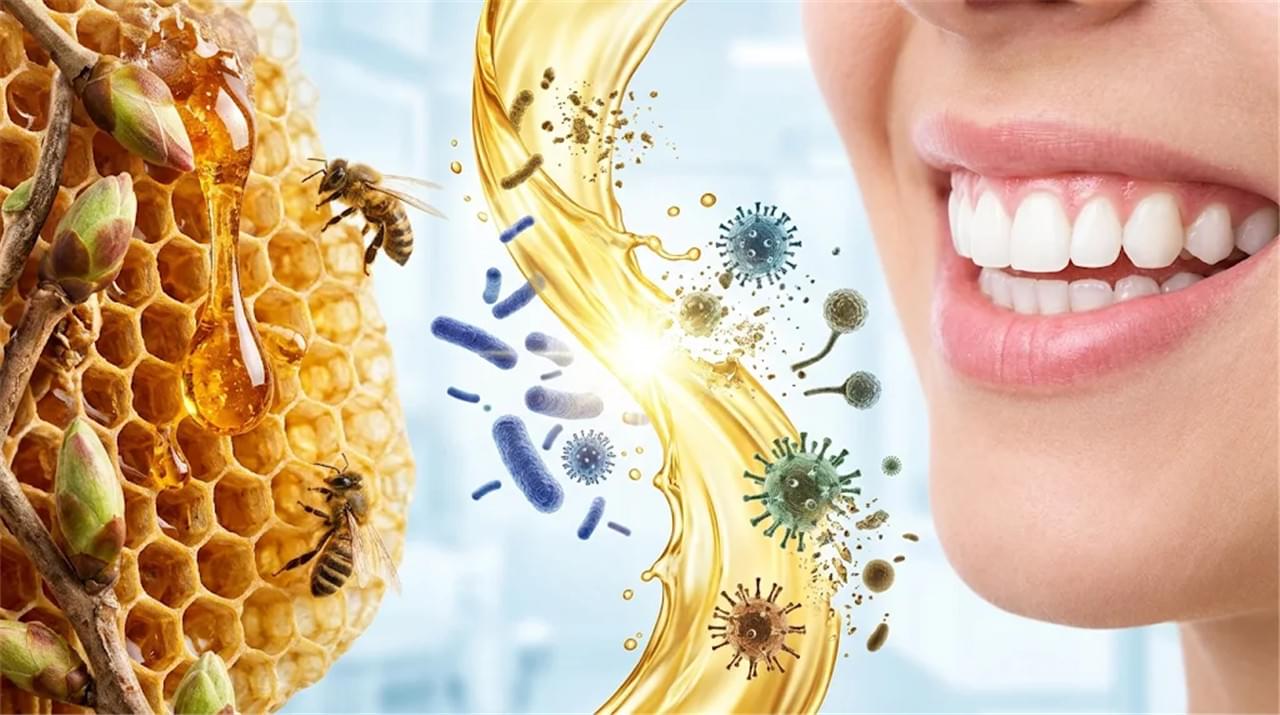
🐝 Step inside any thriving beehive, and you are looking at one of nature’s cleanest sterile environments. Honeybees pack thousands of bodies into warm, humid quarters, yet deadly outbreaks rarely wipe them out. Their secret weapon? A sticky, aromatic resin called propolis. Understanding these propolis antimicrobial properties gives modern wellness brands a massive edge in clean-label product development.
For centuries, healers used this “bee glue” to dress wounds and soothe sore throats. Today, lab researchers confirm what beekeepers always knew. Unlike single-molecule synthetic drugs that pathogens quickly outsmart, raw propolis packs over 300 active compounds—including flavonoids, phenolic acids, and terpenes—that attack microbes from multiple angles at once.
🔬 How Propolis Fights Bacteria and Viruses at the Cellular Level
When formulators look for a reliable natural anti-infective for oral health and immune support, they need proof of mechanism. Propolis doesn’t just mask symptoms; it physically dismantles microscopic invaders.
🦠 How Propolis Antimicrobial Properties Shatter Bacterial Membranes
Bacteria rely on sturdy cell walls and slimy protective shields called biofilms to survive. When potent propolis flavonoids like galangin, pinocembrin, and CAPE make contact with bacteria such as Staphylococcus aureus or Streptococcus mutans, they punch microscopic holes in the lipid membrane. Essential ions leak out, energy production crashes, and the cell collapses. Better yet, propolis scrambles bacterial communication (quorum sensing), stopping germs from building stubborn plaque biofilms in the first place.
🛡️ Why Propolis Antimicrobial Properties Block Viral Replication
Viruses cannot reproduce on their own; they must hijack human cells. Bioactive polyphenols in propolis—especially quercetin and artepillin C—act like molecular bouncers. They bind directly to viral envelope proteins, preventing viruses like Herpes Simplex (HSV-1) and seasonal influenza from latching onto healthy cells. If a virus slips inside anyway, propolis enzymes jam its replication machinery while calming excessive host inflammation.
🍄 Using Propolis Antimicrobial Properties to Halt Stubborn Fungi
Fungal infections like Candida albicans are notoriously tricky to treat because fungal cells closely resemble human cells. Propolis solves this dilemma by targeting ergosterol, a fat molecule unique to fungal membranes. By disrupting ergosterol synthesis and stopping harmless yeast cells from morphing into invasive, root-like hyphae, propolis halts fungal spread gently and effectively.
🦷 Real-World Applications: A Natural Anti-Infective for Oral Health
Nowhere do these triple-action defenses shine brighter than inside the human mouth. Warm, damp, and constantly exposed to sugars, the oral cavity is a breeding ground for microbes. Swapping harsh chemical antiseptics like chlorhexidine for standardized propolis solves major consumer pain points—no stained teeth, no burning alcohol, and no altered taste buds.
| Oral Health Target | Primary Culprit | How Propolis Solves It | Best OEM Delivery Formats |
| Tooth Decay & Plaque | Streptococcus mutans | Blocks sticky glucan enzymes and neutralizes enamel-eroding acids | Herbal toothpastes, daily mouthwashes, xylitol gums |
| Bleeding Gums (Gingivitis) | Porphyromonas gingivalis | Cuts anaerobic bacteria counts and soothes swollen gum tissue | Concentrated oral drops, periodontal gels |
| Canker Sores & Cold Sores | HSV-1 & opportunistic germs | Forms a soothing resin barrier while speeding tissue repair | Alcohol-free throat sprays, mucoadhesive balms |
| Oral Thrush | Candida albicans | Weakens fungal cell walls and stops tongue colonization | Slow-dissolving lozenges, liquid tinctures |
🪥 Protecting Enamel and Soothing Bleeding Gums
Cavities start when S. mutans turns lunch leftovers into enamel-eating acid. Clinical trials show that propolis mouthwashes sharply drop bacterial counts while stopping plaque from sticking to teeth. For customers struggling with red, puffy gums, propolis also dials down inflammatory markers like COX-2, helping delicate gum tissue heal faster.
💧 Fast Relief for Canker Sores and Throat Irritation
Anyone who has suffered through a painful mouth ulcer knows how miserable eating becomes. Applied topically via a targeted spray or drop, propolis forms a thin, waterproof shield over exposed nerve endings. At the same time, its natural tissue-regenerating compounds stimulate collagen growth, cutting recovery time down noticeably.
🚀 Launching Your Next Clean-Label Product Line
Shoppers today read ingredient labels closely. They want botanicals backed by hard science, not synthetic fillers. By leveraging propolis antimicrobial properties, your brand can formulate high-converting throat sprays, immune tinctures, toothpastes, and soothing skin balms that actually deliver results.
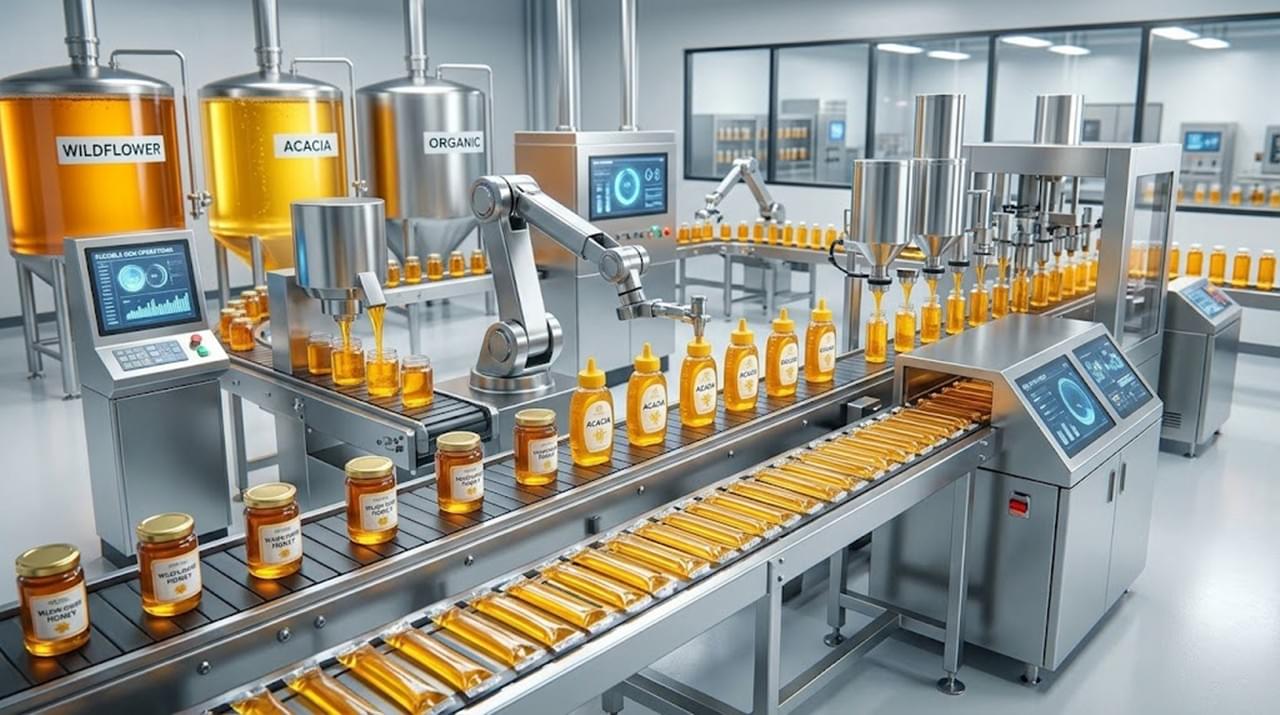
Ready to turn this powerhouse bee resin into a bestselling SKU? Explore our pure, standardized raw materials on our propolis bulk and OEM product page to see how we control flavonoid potency and remove waxes. If you want to pair propolis with other functional hive ingredients like royal jelly or Manuka-grade honey, check out our full capabilities on the Daily Honey OEM official homepage.
According to published peer-reviewed findings in the National Center for Biotechnology Information (NCBI) database on propolis biological activity, standardized extraction methods make all the difference in clinical performance. Partner with our formulation specialists today to build safe, shelf-stable private label propolis supplements tailored to your exact market regulations.

 English
 Arabic