
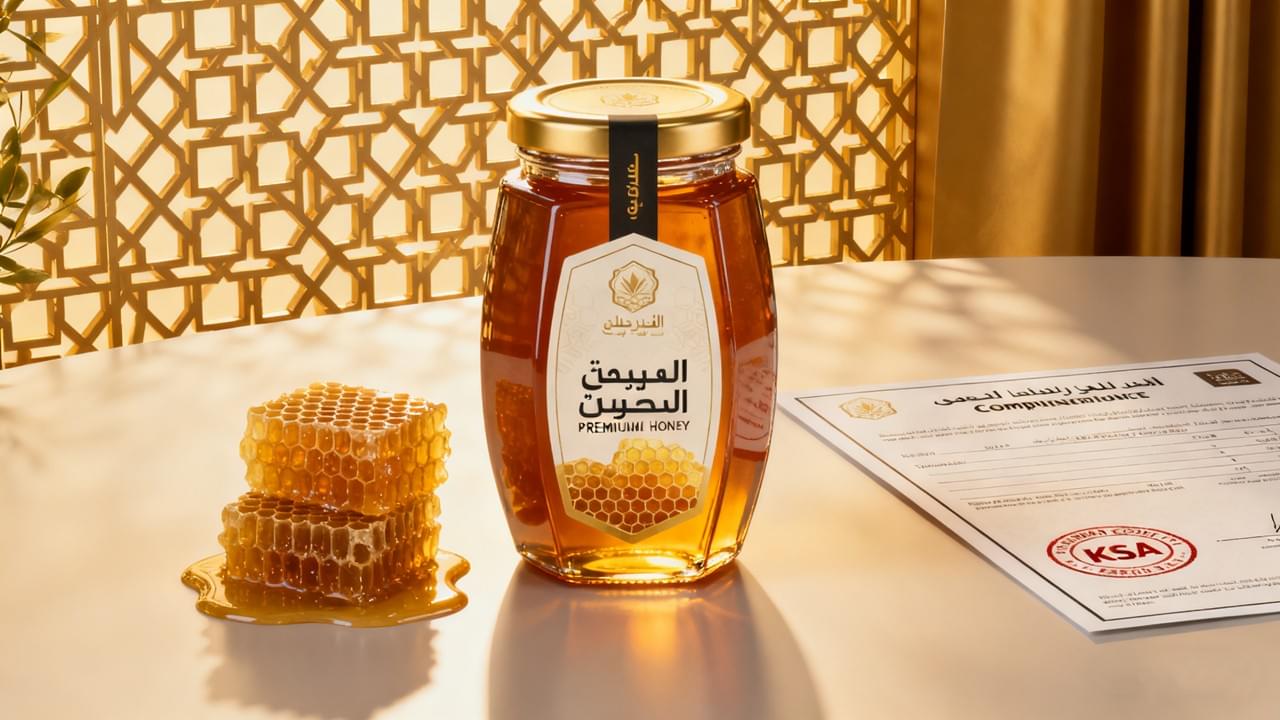
In Saudi Arabia, honey is more than a natural sweetener—it’s a symbol of health, purity, and tradition. But before your honey products reach Saudi shelves, they must comply with KSA food labeling standards set by the Saudi Food and Drug Authority (SFDA).
Accurate and attractive labeling ensures your honey not only passes customs but also earns consumer trust. This guide breaks down seven essential steps to help exporters, distributors, and honey private label brands create packaging that is both compliant and visually appealing.
1. Know the SFDA Honey Labeling Requirements
Compliance begins with understanding what the SFDA expects. For all food imports—especially honey—your label must provide complete, truthful, and bilingual (Arabic–English) information.
Key details include:
- Product Name: Clearly state “Honey” and its botanical type (e.g., Sidr, Acacia).
- Brand and Manufacturer: Include your company’s name, address, and country of origin.
- Ingredients: 100% honey (or specify any additives).
- Net Weight: Expressed in grams (g) or kilograms (kg).
- Production and Expiry Dates: In both languages, formatted as day/month/year.
- Batch or Lot Number: For traceability.
- Storage Instructions: Example—“Store in a cool, dry place away from sunlight.”
Meeting these Saudi Arabia honey labeling requirements ensures your products are legally compliant and ready for distribution.
2. Arabic Labeling: Non-Negotiable Compliance
Arabic text is mandatory on every food label in Saudi Arabia. It must appear with equal visibility and font size as the English text.
To ensure accuracy:
- Use professional human translators, not automatic software.
- Verify that both languages communicate identical product details.
- Include “Country of Origin” (e.g., “Product of China,” “Product of Yemen”) in both languages.
Even small translation mistakes can lead to shipment delays or product rejection at customs.
3. Emphasize Origin and Authenticity
Saudi consumers value honey that tells a story—where it’s from, how it’s made, and why it’s special. Highlighting origin builds authenticity and brand loyalty.
For example:
“100% Pure Yemeni Sidr Honey – Harvested Naturally in Wadi Do’an”
“Premium Chinese Acacia Honey – Raw, Unfiltered, and Golden”
By emphasizing source and purity, your label aligns with SFDA food label regulations and resonates with the cultural importance of authenticity in the Saudi market.
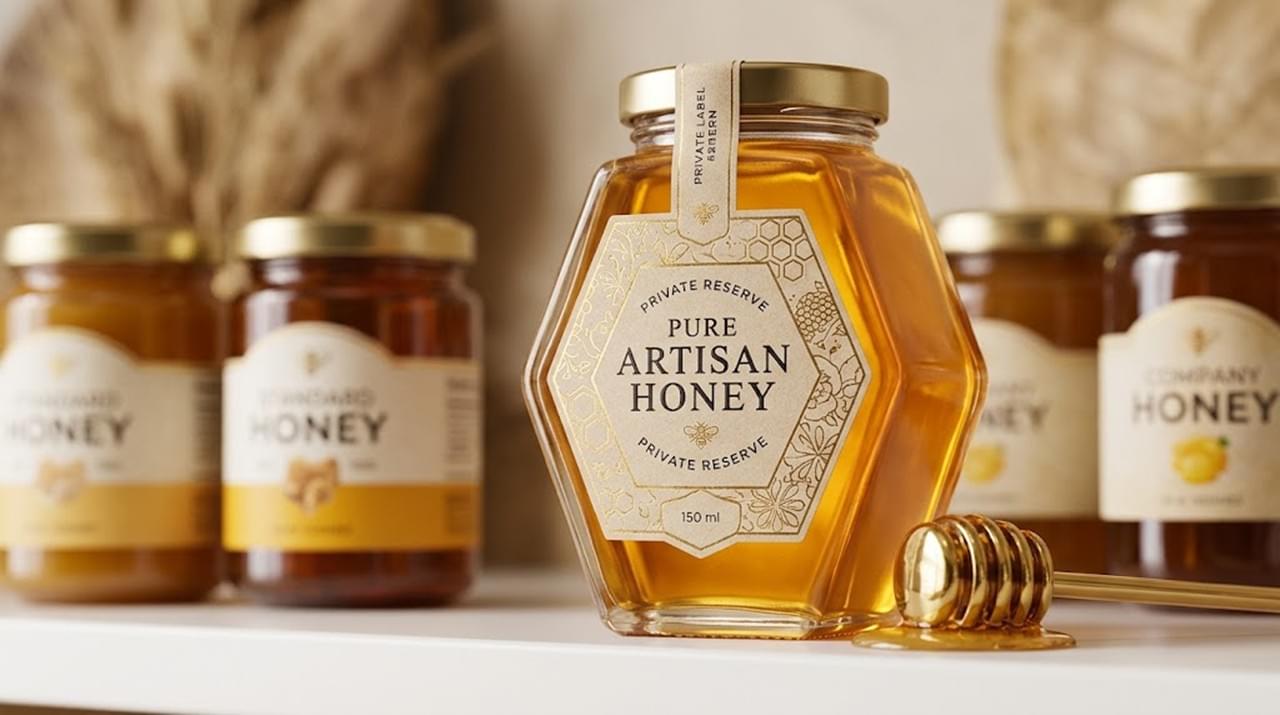
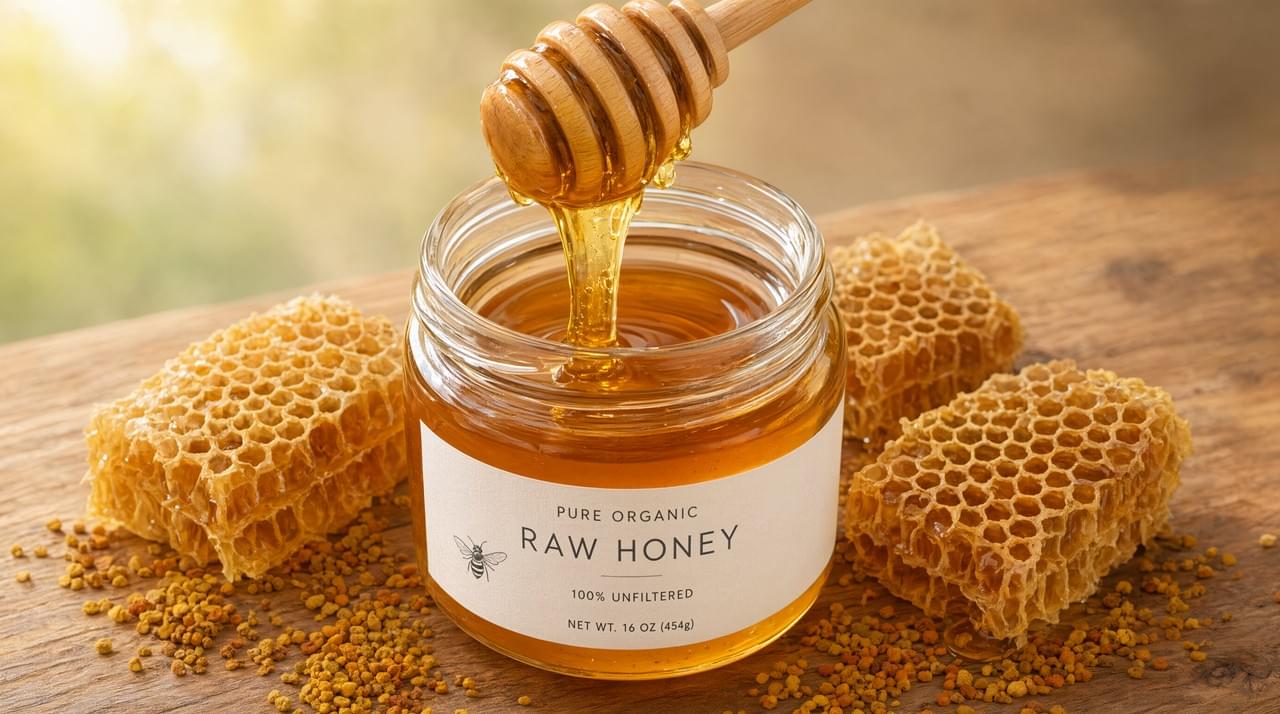
4. Design Labels That Combine Compliance and BeautyLegal compliance doesn’t mean boring design. In fact, a visually pleasing label can elevate your brand and attract consumers at first glance.
Tips for effective honey label design:
- Use warm natural tones like gold, amber, and honey-brown to convey freshness.
- Include clear transparent sections showing the real honey color.
- Pair elegant Arabic and English fonts that match your brand personality.
- Keep the design clean and uncluttered, emphasizing purity.
- Avoid prohibited phrases such as “medical honey” or “cures diseases.”
A label that blends compliance with artistry will stand out in Saudi retail stores and online marketplaces.
5. Packaging Requirements for Private Label Honey in KSAIf you’re producing or exporting honey private label Saudi Arabia products, additional details are required:
- Include the importer’s name and address on the label.
- Ensure packaging is food-grade and tamper-evident.
- Finalize the Arabic label artwork before shipping to avoid costly re-labeling.
- Register every product batch with SFDA approval prior to import.
Delee Foods supports international honey brands with full OEM and private label solutions, including label translation, artwork design, and regulatory documentation.
6. Choose Packaging That Reflects Quality and Trust
Packaging plays a crucial role in Saudi Arabia’s premium honey market. Choose materials that protect your honey and communicate authenticity:
- Glass jars: ideal for luxury and gift packaging.
- PET bottles: lightweight and suitable for mass-market retail.
- Squeeze bottles: practical for daily household use.
All packaging must display clear date markings and batch codes in durable print. Your design should look professional even under the high-temperature conditions common in the Gulf region.
7. Avoid Common Labeling MistakesTo maintain your brand’s reputation and avoid costly rejections, watch out for these frequent issues:
- Missing or incomplete Arabic text.
- Unregistered barcodes or batch numbers.
- Health claims not supported by SFDA.
- Inconsistent weight declarations between label and contents.
- Poor-quality print that fades during shipping.
A careful KSA food labeling review before export ensures your honey reaches the market smoothly and legally.
Compliance Creates Consumer Confidence
The Saudi market rewards transparency, quality, and authenticity. By following KSA food labeling regulations and combining them with professional design, you strengthen your brand’s credibility and consumer appeal.
Whether you’re exporting your own brand or developing OEM honey products, partnering with experts like Delee Foods ensures your honey meets SFDA standards—making your products not only compliant but irresistibly attractive on every Saudi shelf.

 English
  Arabic