
The arid landscape of the United Arab Emirates might not be the first place that comes to mind when you think of bustling apiaries. Yet, beneath the surface, a thriving and culturally significant apiculture industry is flourishing. With a staggering 1.2 million beehives and an annual local production of 800 tonnes, UAE Beekeeping is an unexpected pillar of the nation’s agricultural sustainability strategy. This industry is not just about producing honey; it’s a delicate balance of heritage, modern regulation, and aggressive market defense.
The Dynamics of the UAE Honey Market
Despite its significant number of hives, the UAE honey market faces a unique imbalance: it is a major importer. The nation is the world’s 17th largest honey importer, with an astonishing 90% of the market supplied by imported products, often at a lower price point. In 2019, the UAE imported $26.4 million worth of honey. While local exports stood at $4.43 million, the high import volume highlights the intense competition local beekeepers face. However, this competitive environment is driving local producers to focus on premium, high-value varieties, maintaining robust profit margins of between 30% and 40%. This niche strategy is crucial for the industry’s survival against cheaper imports.
Seasonal Rhythms: The Four Golden Harvests
The success of UAE Beekeeping relies heavily on adapting to the desert climate’s distinct flowering seasons. The year is divided into four major honey production seasons, each yielding a unique flavor profile:
- Spring Blossom Season: February to March
- Brum Honey Season: April to May
- Mangrove Honey Season: June to July
- Sidr Honey Season: October to November
The Sidr honey production period (October-November) is by far the most celebrated and profitable. Sidr honey, derived from the Sidr tree blossoms, is renowned globally for its rich taste and medicinal properties, commanding a high price. The Brum honey season is also highly regarded. Interestingly, other local varieties that naturally crystallize are often misunderstood by consumers, who mistake the natural process for adulteration, limiting their market presence.
The Critical Challenge: Fighting Honey Fraud
One of the most profound threats to local UAE Beekeeping is the pervasive issue of honey adulteration and fraud. Low-quality imported honey, often laced with artificial sugars, enters the market and is sometimes misleadingly sold as authentic local UAE produce. This not only undercuts legitimate local beekeepers but also erodes consumer trust.
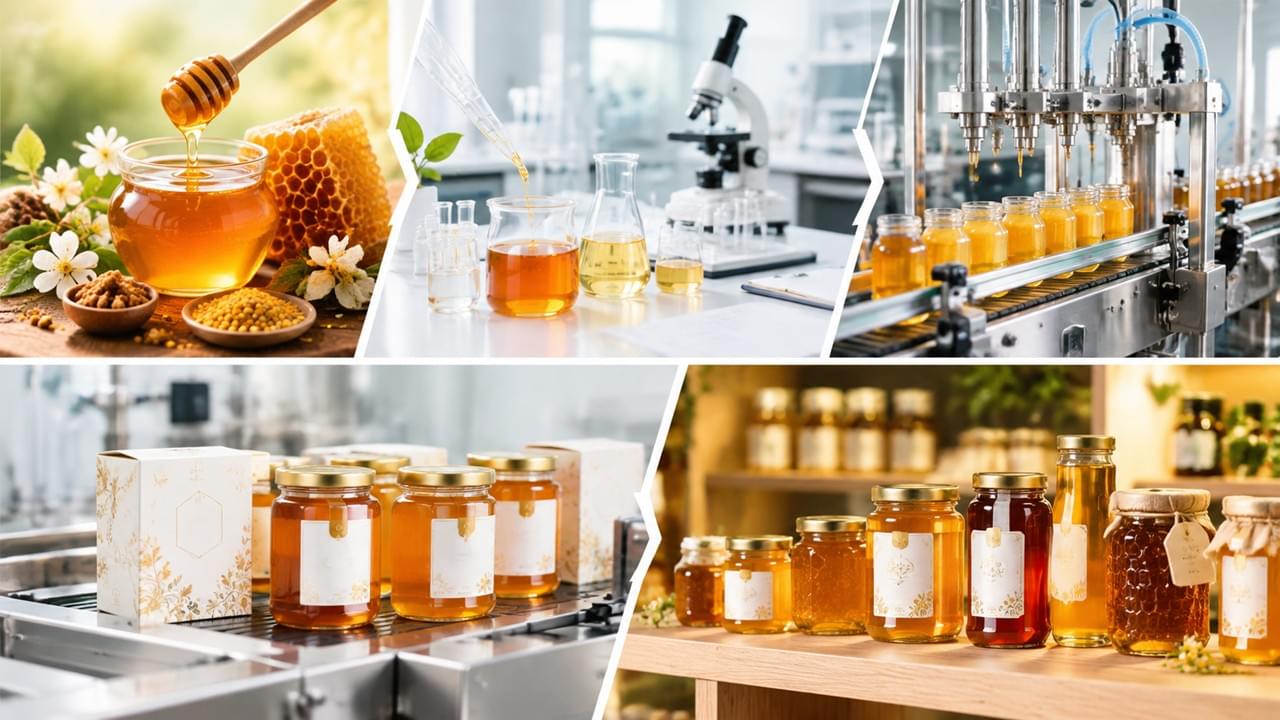
To combat this, the UAE Ministry of Climate Change and Environment has established stringent regulations. The Abu Dhabi Agriculture and Food Safety Authority (ADAFSA) has even invested in breeding superior queen bees to boost local production quality. More critically, the government has invested in specialized testing laboratories to ensure the safety and authenticity of both local and imported honey. For detailed insights on quality control, read about Global Honey Sourcing and Quality Standards on our main site.
The Regulatory Framework and Site Selection
The UAE’s regulatory framework is meticulously designed to foster sustainable growth while safeguarding the ecosystem. Beekeepers are mandated to follow strict guidelines for apiary placement:
- Proximity to rich sources of bee food (nectar and pollen).
- Easy access for marketing and distribution.
- Strict distance from densely populated areas and potential pathogen sites.
This regulatory foresight reinforces the industry’s commitment to both public health and environmental stewardship. Furthermore, the commitment to protecting biodiversity is seen as a key component of the nation’s broader agricultural strategy, recognizing the essential role bees play—as noted by the UN—in pollinating 71 of the world’s main crops.
Innovation and Tourism: The Bee Garden
Innovation plays a vital role in elevating the status of UAE Beekeeping. The Hatta region in Dubai is home to the Middle East’s first Bee Garden, a 16,000-square-meter attraction. Located between mountains and farms, this park hosts over 3,000 hives and serves as a natural habitat for over 100,000 bees. This initiative not only promotes eco-tourism but also serves as an educational hub, raising public awareness about the cultural heritage and economic viability of local apiculture. This pioneering park showcases the industry’s commitment to sustainability and visitor engagement.
The Sweet Future of UAE Beekeeping
The future of UAE Beekeeping looks promising, driven by a focus on premium products like Sidr honey production, rigorous quality control, and strategic agricultural planning. By successfully fighting honey fraud with advanced testing and tight regulations, the UAE is securing its reputation as a producer of high-quality, authentic honey. This commitment ensures that the industry contributes not only honey, pollen, propolis, royal jelly, and beeswax to the local economy but also substantially supports the nation’s sustainable growth strategy.
 English
  Arabic